
Signs you are not drinking enough water at work
Thirst, dark urine, headaches and the afternoon fog: common signs of mild dehydration at a desk, what they can and cannot tell you, and when to see a doctor.
The clearest signs that you need more water are the plain ones: feeling thirsty, a dry mouth, urine that is darker yellow and stronger smelling than usual, and going much longer than usual between trips to the bathroom. On a desk day, those are the ones to trust.
Headaches, tiredness and a foggy afternoon can come with mild dehydration too, but they have plenty of other causes. Treat them as a reason to drink a glass of water and see what happens, not as proof of anything. This post goes through the common signs, what each one can and cannot tell you, a quick check you can do at your desk, and when it is time to talk to a doctor. It is general information, not a diagnosis.
The clearest signs
These are among the main signs that health services such as the NHS list for dehydration, and they are the most useful ones day to day.
- Thirst. The simplest signal. It is your body asking for water, and for healthy adults it is a good guide, even if focus makes it easy to ignore.
- Dark yellow, strong smelling urine. The usual aim is pale yellow, roughly the color of straw. Darker than that, especially by mid-afternoon, usually means you are behind.
- Peeing less often than usual. If you realize you haven't been to the bathroom since the morning, that is worth noticing.
- A dry mouth, lips or tongue. Especially the sticky, pasty feeling that makes you want to drink right away.
These signs are useful because they are fairly direct. They don't prove much on their own, but if two or three of them line up on a busy afternoon, the answer is probably a glass of water.
The vaguer signs: headache, tiredness and the afternoon fog
Other signs are common but much less specific.
- Headache. Many people find that not drinking enough brings on a headache or makes one worse, and a glass of water sometimes helps. But headaches have many causes, so this one is a hint, not an answer.
- Tiredness. Feeling flat or sleepy is on most lists of dehydration symptoms. It is also on the list for poor sleep, a heavy lunch and a long meeting.
- Lightheadedness. Feeling a little dizzy when you stand up quickly can happen when you are low on fluids.
- Trouble concentrating, or a short temper. Small studies suggest that even mild dehydration can leave some people feeling more tired, less alert and in a worse mood. The effects in that research are modest and vary from person to person, so don't read too much into them.
The 2 to 4 PM fog is the classic desk version: you read the same paragraph twice and reach for another coffee. Water can be part of it, but your body clock, lunch and sleep usually matter as much or more. Water and the afternoon slump sorts through the usual suspects.
What these signs can't tell you
Every sign above has other explanations. That is why no single one of them means you are dehydrated, and why it helps to know the common lookalikes.
| Sign | Could be water | Could also be |
|---|---|---|
| Headache | Not drinking for hours | Eye strain, tense shoulders, skipped lunch, poor sleep, or missing your usual coffee |
| Dark urine | Drinking too little | B vitamins (bright yellow), beets, some medicines, or just the first visit of the morning |
| Dry mouth | Drinking too little | Breathing through your mouth, dry office air, a day of calls, some medicines |
| Tiredness | Drinking too little | Short sleep, a big lunch, sitting still for hours, the normal afternoon dip |
| Thirst | Drinking too little | A salty lunch, a hot room, exercise |
Two more cautions:
- Thirst gets less reliable with age. Older adults often feel thirsty later and less strongly, so the absence of thirst means less for them.
- Missing your coffee can cause a headache. If you usually have three cups and today you had one, caffeine withdrawal is a common reason for a dull headache. Drinking water won't fix that one.
If a headache comes back most afternoons, look at the whole day, not just the water: screen breaks, posture, lunch and sleep.
A quick check at your desk
When you are not sure, a simple experiment tells you more than guessing.
- Drink a glass of water now. At a normal pace. There is no need to gulp down a liter.
- Give it half an hour or so. Notice whether the thirst, the dry mouth or the headache eases. If it does, water may well have been part of it.
- Check the color on your next bathroom visit, and again later in the afternoon.
- Look back at the day. When did you last drink something that wasn't coffee? Did you eat lunch? How did you sleep?
- Watch for a pattern. If you feel this way most afternoons and water helps, the problem is less your body than your routine, and the fix is a few cues in the day. Which cues work, and why the glass gets forgotten at all, is the subject of why you forget to drink water at your desk.
When to see a doctor
Mild dehydration at a desk is common and usually sorts itself out with a few glasses of water. Some situations are different.
Get urgent medical help if you or someone you are with feels confused or disoriented, faints, feels very dizzy in a way that doesn't pass when sitting down, has a racing heart, or has barely peed all day. This matters most after vomiting or diarrhea, in heat, or for young children and older adults, who are more at risk.
Book an appointment with a doctor if:
- symptoms don't improve after you have been drinking more for a day or so;
- you get headaches often, or a headache feels different from your usual ones;
- you feel tired all the time even when you sleep and drink well;
- you are constantly thirsty however much you drink, especially if you are also peeing a lot. That combination can be a sign of other conditions, such as diabetes, and is worth checking.
If you have a heart or kidney condition, or take medicines that affect fluids (diuretics, sometimes called water pills), follow your doctor's advice on how much to drink rather than any general guidance.
What Notchpals can and cannot do
Notchpals can't tell whether you are dehydrated. It measures nothing about your body, keeps no record of what you drink, and has no idea whether you actually drank when you press Done. It takes your word. What it can do is put a glass in front of you at a few points in the day, so an afternoon doesn't slide by on a single coffee.
That job falls to whichever Water character is in your crew, Melo the watermelon or Puddle the seal pup. Its regular water reminder can turn up any time between 9 AM and 8 PM, and it has one separate visit between 2 and 5 PM, right where the fog tends to settle in.
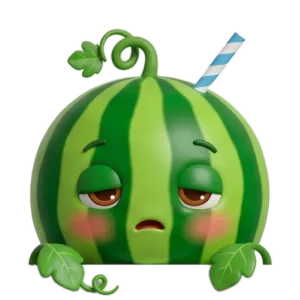
MeloMy vine goes floppy around now. A cold glass perks it right back up.
Press Done when you have had a glass. If you are halfway through a thought, press Later and it returns once, 20 minutes on, then lets that reminder go if you say Later again. Treat its visits as the glass in step 1 of the quick check: drink it, carry on, and notice at the end of the week whether the 4 PM headaches turn up as often.
The short version
- Trust the plain signs: thirst, dry mouth, dark yellow urine and fewer bathroom trips.
- Headache, tiredness and fog can be water, but often aren't. Test with a glass and half an hour.
- Know the lookalikes: eye strain, skipped meals, short sleep and missed coffee.
- Seek urgent help for confusion, fainting, a racing heart or no urine for a day, and see a doctor for symptoms that don't improve or constant thirst.
More on water
 WaterA glass of water first thing: what it does and what it doesn'tWhat a morning glass of water really does after a night's sleep, what it doesn't (no detox, no metabolism trick) and how to drink it before email.
 WaterWater and the afternoon slump: what actually helps at 3 PMWhy energy dips between 2 and 4 PM (body clock, lunch, short sleep, too little water, sitting) and a ten-minute routine of water, daylight and a walk.
- WaterWhy you forget to drink water at your desk, and what helpsFocus mutes thirst, nothing cues a sip, the glass sits empty and coffee fills the gap. Why desk days run dry, and fixes built on cues, not willpower.